
Two of the most widely discussed coating and lining options for new pipeline construction are high-density polyethylene (HDPE) outer wrap/sleeve systems and spray-applied polyurea coatings. Each has a dedicated following in the industry, and the optimal choice depends heavily on application environment, installation method, and lifecycle cost objectives.
HDPE Coating Systems
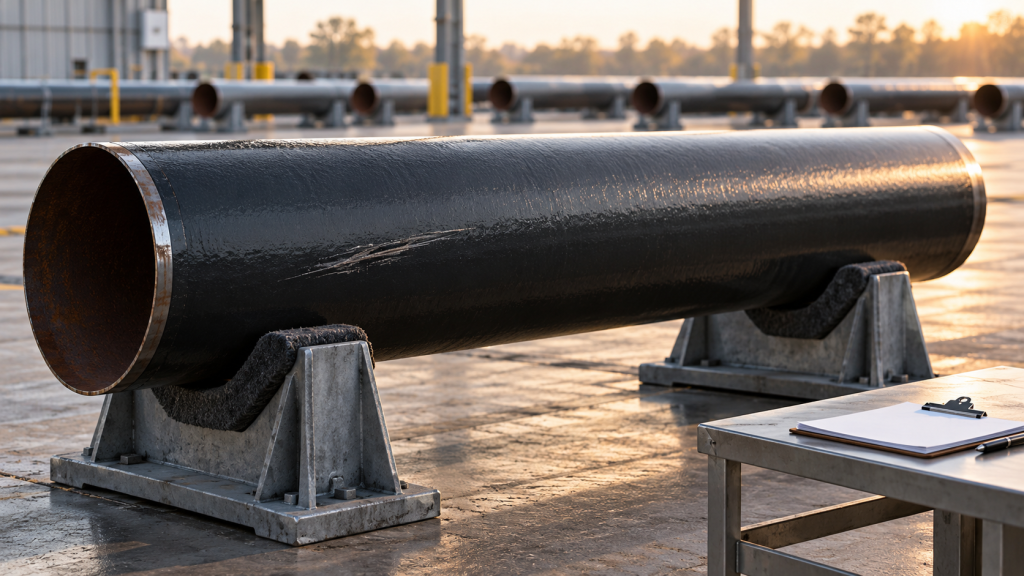
Factory-applied HDPE coatings — typically three-layer systems with an FBE primer, adhesive, and HDPE topcoat — provide exceptional mechanical protection during installation, particularly for directional drilling and rocky trench conditions. The HDPE layer’s abrasion resistance is unmatched by any spray-applied alternative at standard thicknesses.
Spray Polyurea Advantages
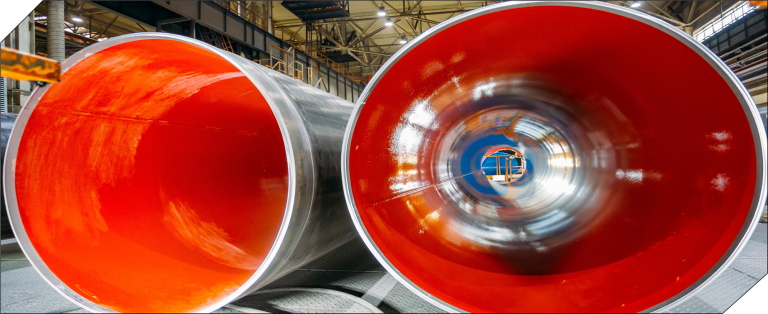
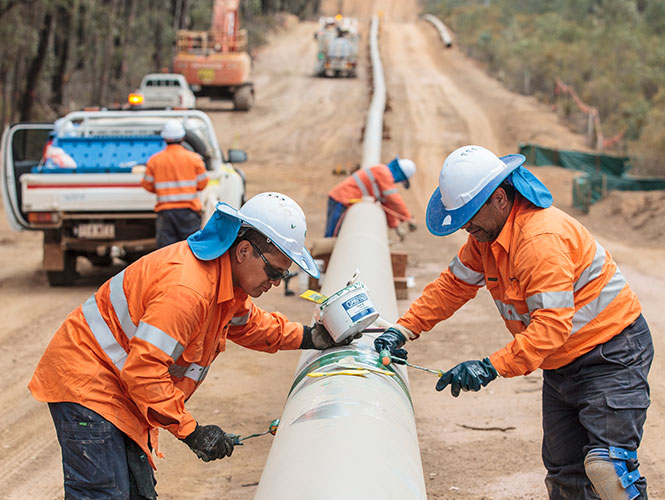
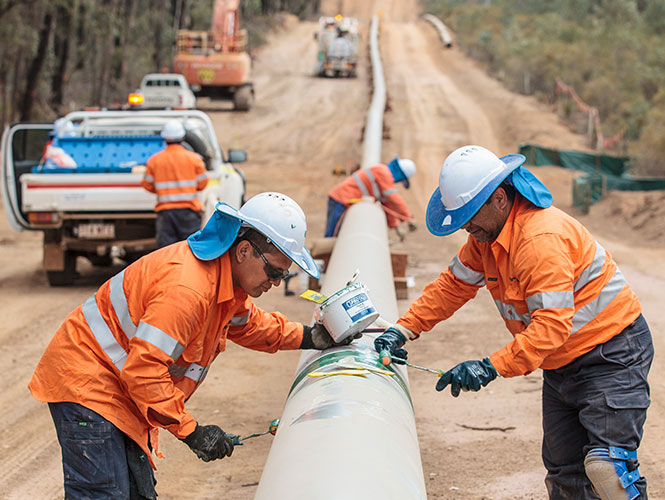
Spray polyurea’s advantages emerge most clearly in field joint coating, irregular geometries, and rehabilitation scenarios. A skilled applicator can coat a 40-inch diameter field joint in under 10 minutes, achieving uniform thickness over the weld bead and adjacent areas that factory-applied wraps cannot access. Polyurea also offers superior elongation, accommodating soil movement and thermal cycling without cracking or delamination.
A Hybrid Approach
Many experienced pipeline engineers specify a hybrid approach: factory-applied three-layer polyethylene for mainline pipe with spray polyurea for all field joints and special sections. This combination leverages the manufacturing efficiency of factory coating with the field adaptability of polyurea, delivering the best performance profile at a competitive lifecycle cost.
For more technical comparisons, visit our technical library or join the discussion in our Materials and Coatings Working Group.