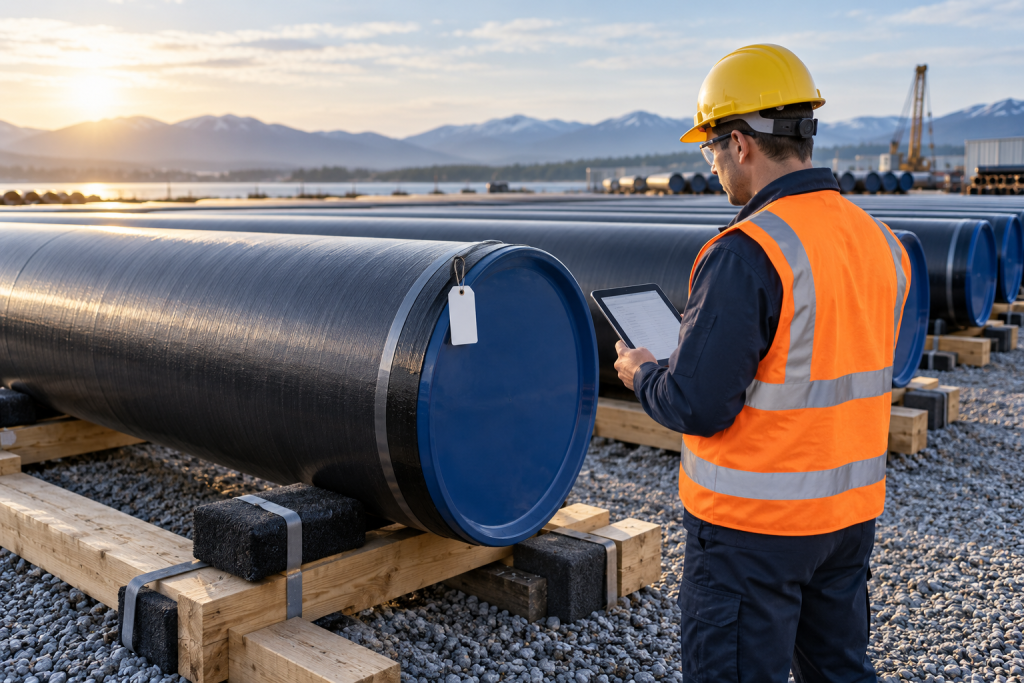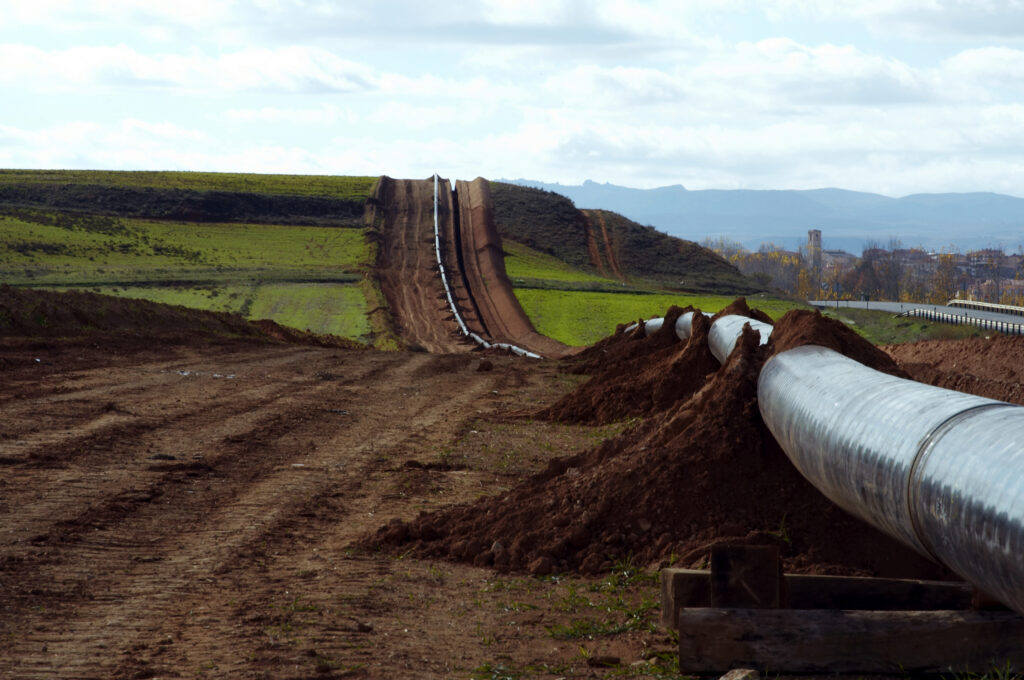
Pipeline Corrosion Prevention: A Complete 2024 Industry Guide
Corrosion costs $7B annually. Master every prevention strategy from coatings to cathodic protection.
Your complete resource for polyurea coatings, corrosion prevention, coating specifications, surface preparation guides, and the latest industry news — all in one place.
Comprehensive guides on every major coating type used in oil and gas pipeline protection
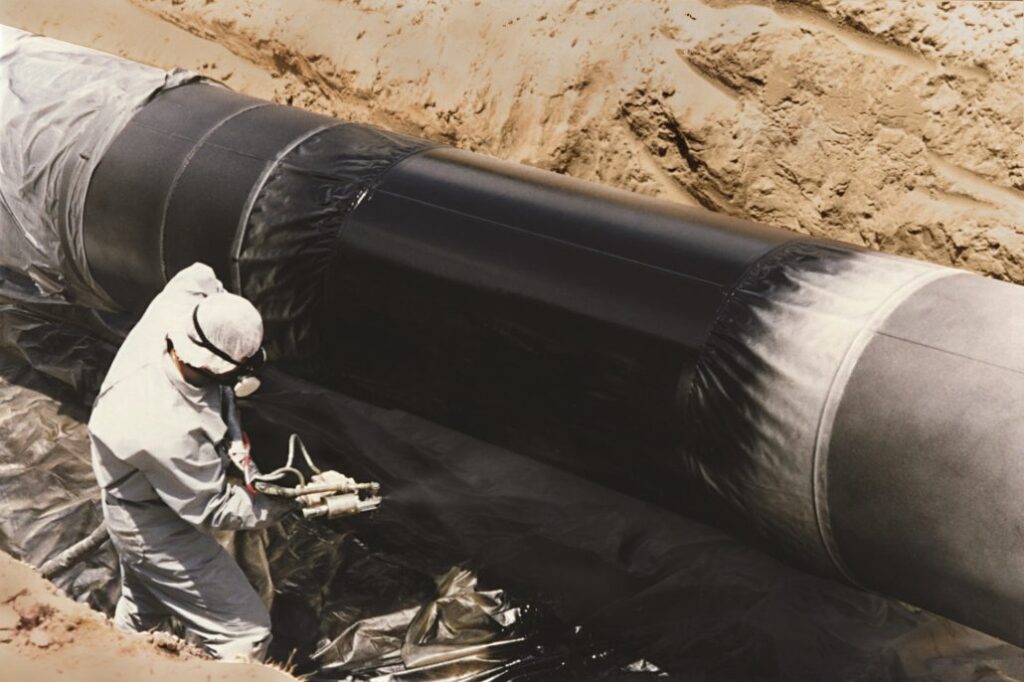
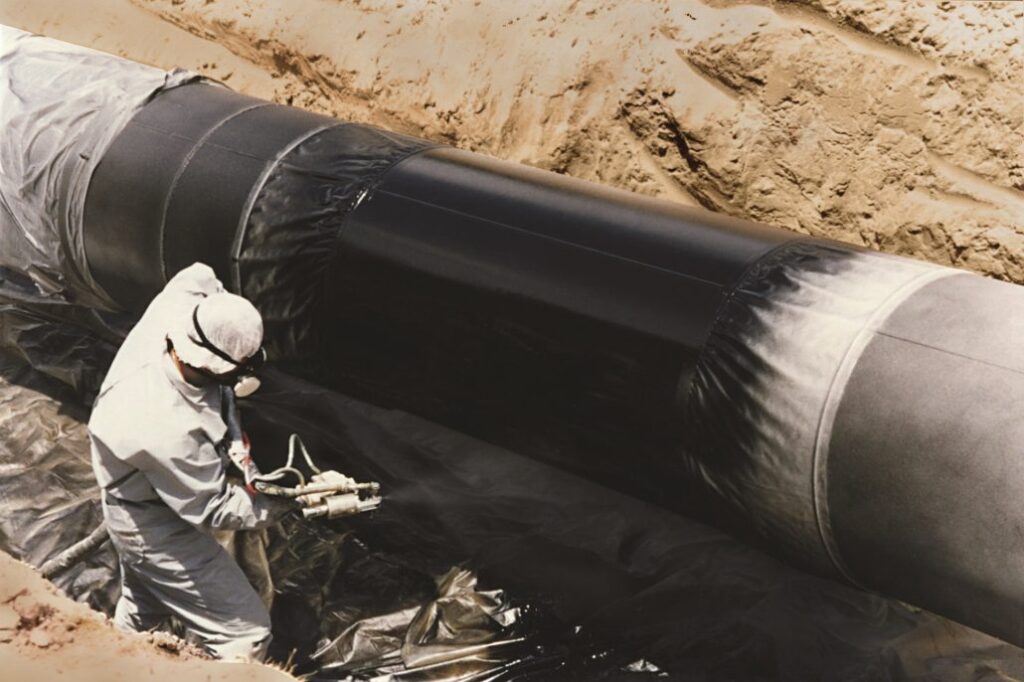
The industry’s fastest-growing pipeline protection system — rapid cure, exceptional elongation, and outstanding corrosion resistance.
Read Guide →
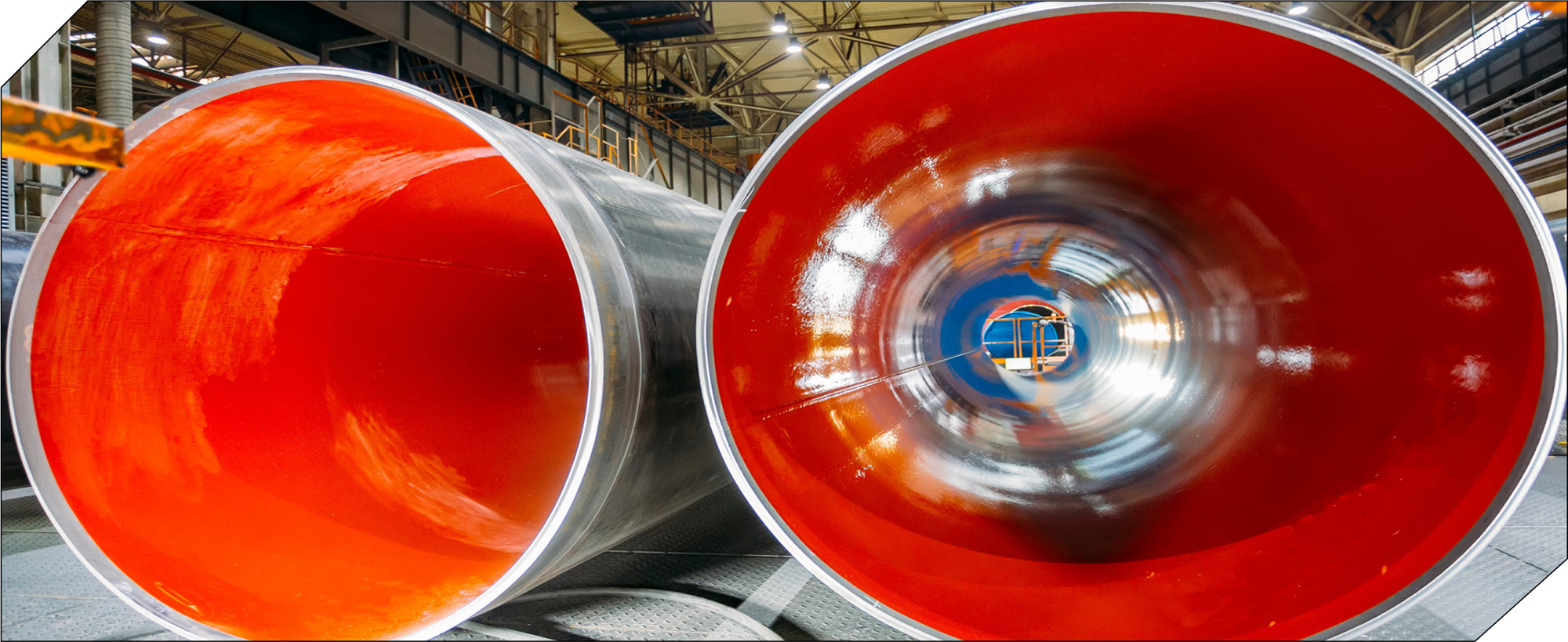
Factory-applied thin-film epoxy coating — the backbone of mainline pipe protection for decades of proven service life.
Read Guide →
Superior mechanical protection for directional drilling and rocky terrain — the premium choice for challenging installation conditions.
Read Guide →
Fast-cure, UV-stable systems engineered for above-grade pipeline rehabilitation — where speed and durability are equally critical.
Read Guide →
Deep-dive technical guides written for engineers, operators, and coating professionals
Corrosion costs the pipeline industry $7 billion annually. Master the complete toolkit — coating systems, cathodic protection, soil chemistry, and smart inspection technologies.
Read Full Guide
Tensile strength up to 4,500 psi. Elongation of 600%. Gel time under 5 seconds. Here’s the chemistry that makes polyurea the most technically advanced pipeline coating available.
Read Full Guide
Key facts every pipeline professional needs to know
Expert knowledge updated regularly by pipeline coating specialists
Corrosion costs $7B annually. Master every prevention strategy from coatings to cathodic protection.
The chemistry and performance data that makes polyurea the fastest-growing pipeline coating material.
New NPRM proposes performance-based approval pathway for polyurea and advanced coating materials.
70–80% of coating failures trace back to surface prep. Here’s how to get it right every time.
CP and coatings must work as a unified system. Here’s what every pipeline engineer needs to know.
Offshore coatings face the world’s most aggressive environments. Zone-specific solutions explained.
Side-by-side comparison of the major coating systems used in oil and gas pipeline protection
| Coating System | Cure Time | Thickness (mils) | Best For | Temperature Range | UV Resistance |
|---|---|---|---|---|---|
| Spray Polyurea | 3–30 seconds | 40–250 | Field joints, rehab, high-impact areas | -40°F to 250°F | Moderate (aromatic) |
| Fusion Bonded Epoxy (FBE) | Minutes (factory) | 14–20 | Mainline new construction | -40°F to 140°F | Low |
| Three-Layer Polyethylene (3LPE) | Factory applied | 60–120 | HDD, rocky trench, abrasive soils | -40°F to 140°F | Excellent |
| Polyaspartic | 30 min–2 hrs | 20–80 | Above-grade, splash zone rehab | -30°F to 200°F | Excellent (aliphatic) |
| Coal Tar Epoxy | 24–48 hours | 10–20 | Legacy systems, submerged service | -20°F to 120°F | Poor |
| Liquid Epoxy | 4–24 hours | 10–30 | Field repair, irregular shapes | -20°F to 150°F | Low |
OilPipelineCoatings.com is the web’s most comprehensive free resource for pipeline coating information. We publish expert technical guides, coating specification references, industry news, and comparative analysis for engineers, operators, and coating contractors.
Our content covers every aspect of oil and gas pipeline corrosion protection — from material selection and surface preparation through application technique, quality control, inspection, and long-term asset management.
Looking for a qualified polyurea or pipeline coating contractor? Our Certified Applicator Directory lists verified professionals with documented AMPP credentials and proven pipeline coating experience.
AMPP CIP Level 2+ certified supervisors
ISO 9001 quality management systems
Verified pipeline project experience
Plural-component spray equipment trained