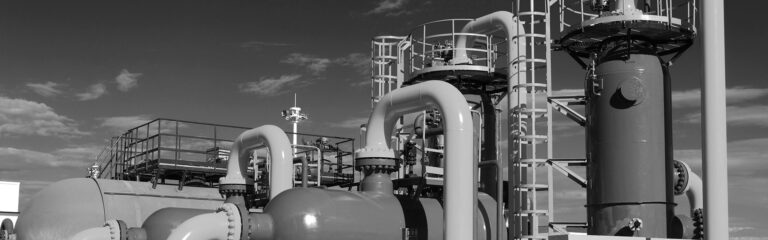
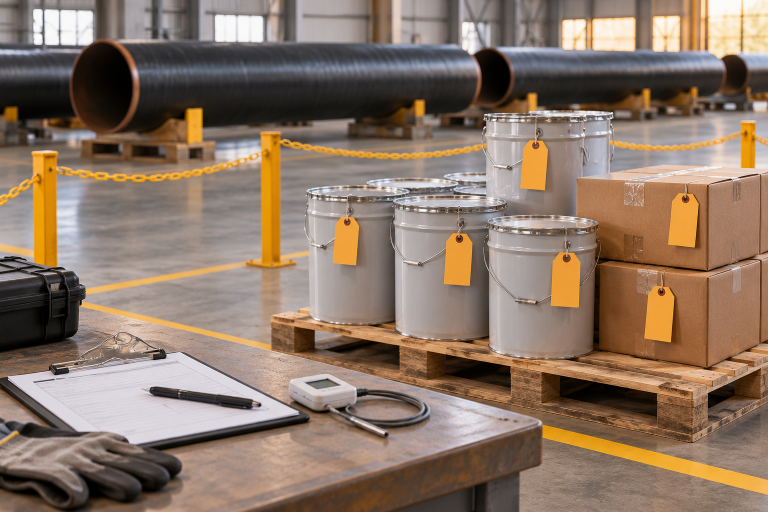
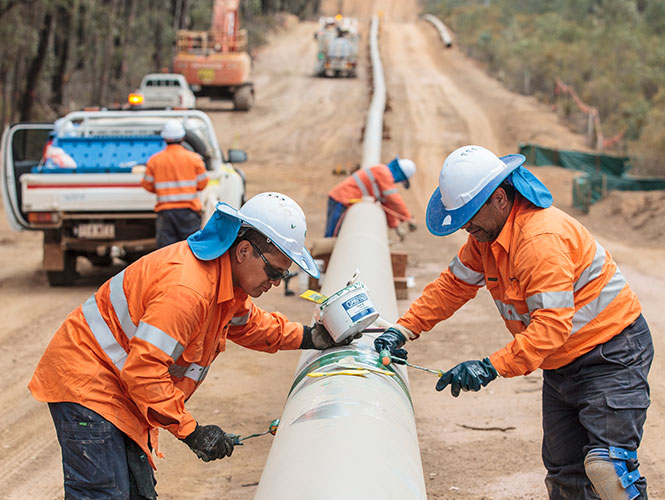

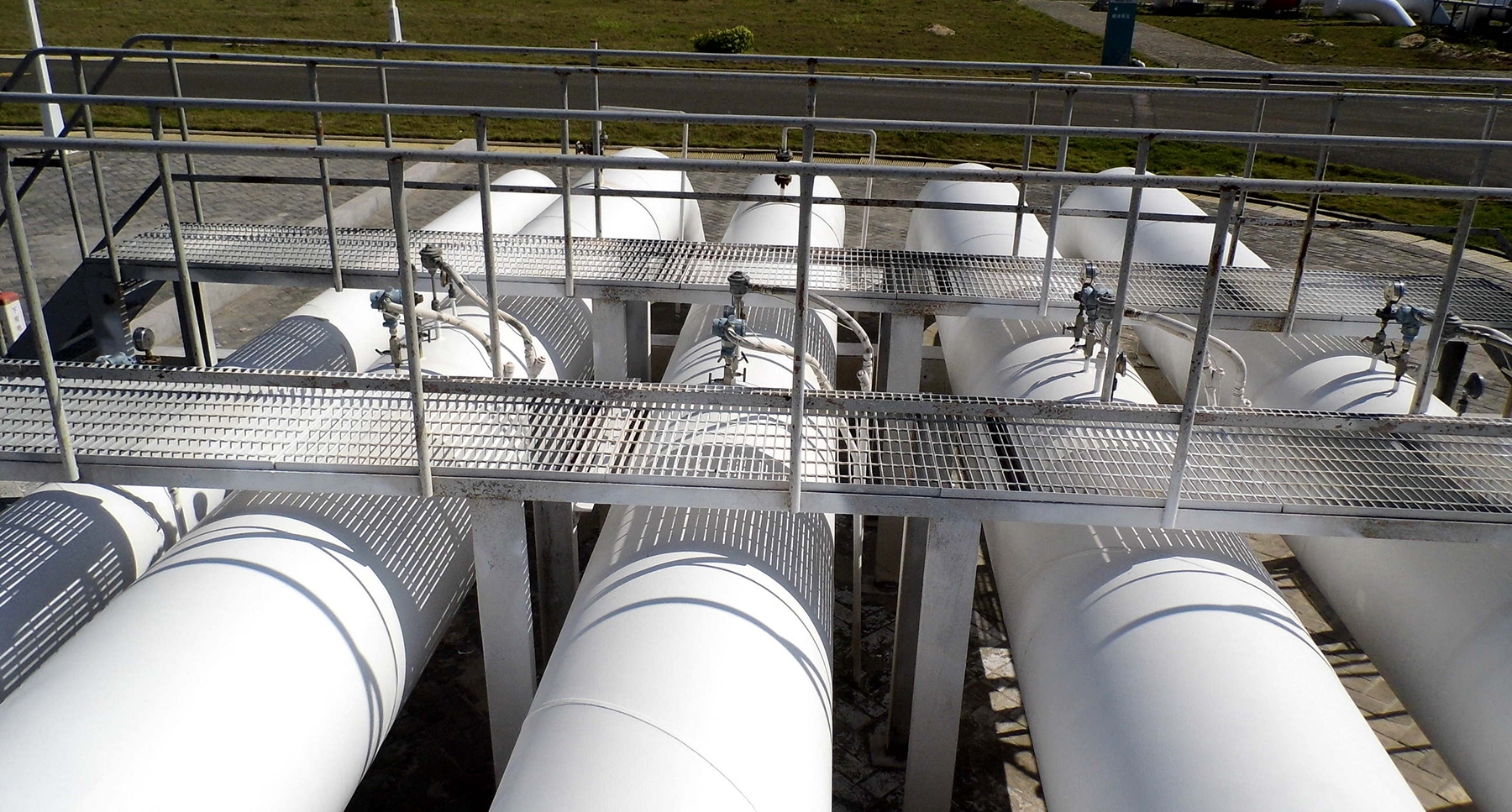
The Permian Basin continues to be the epicenter of North American oil production growth, driving a multi-billion dollar wave of pipeline infrastructure investment that is creating significant demand for pipeline coating services across Texas and New Mexico. Understanding the coating requirements specific to Permian Basin conditions is essential for operators and contractors active in the region.
Permian Basin Soil Conditions and Coating Selection
Permian Basin soils present a challenging corrosion environment characterized by high chloride content, variable pH from alkaline carbonates to acidic gypsiferous soils, and elevated soil resistivities in arid surface layers contrasted by highly conductive briny subsurface formations. These conditions strongly favor high-build polyurea coatings with excellent dielectric strength and resistance to alkaline disbondment over conventional epoxy alternatives.
Extreme Temperature Cycling
The Permian Basin experiences some of the most extreme daily temperature cycles in North America — from below-freezing winter nights to 110°F+ summer days in shallow buried conditions. Coatings must accommodate thermal expansion and contraction without developing fatigue cracks over decades of service. High-elongation polyurea formulations with elongation values above 400% are specifically recommended for this application environment.
Contractor Capacity in the Region
The Permian boom has strained coating contractor capacity throughout the region, with lead times for qualified applicators extending to 8–12 weeks on major projects. Our Certified Applicator Directory currently lists 14 qualified contractors operating in the Permian Basin region, all holding current AMPP certifications and our organization’s quality audit documentation.