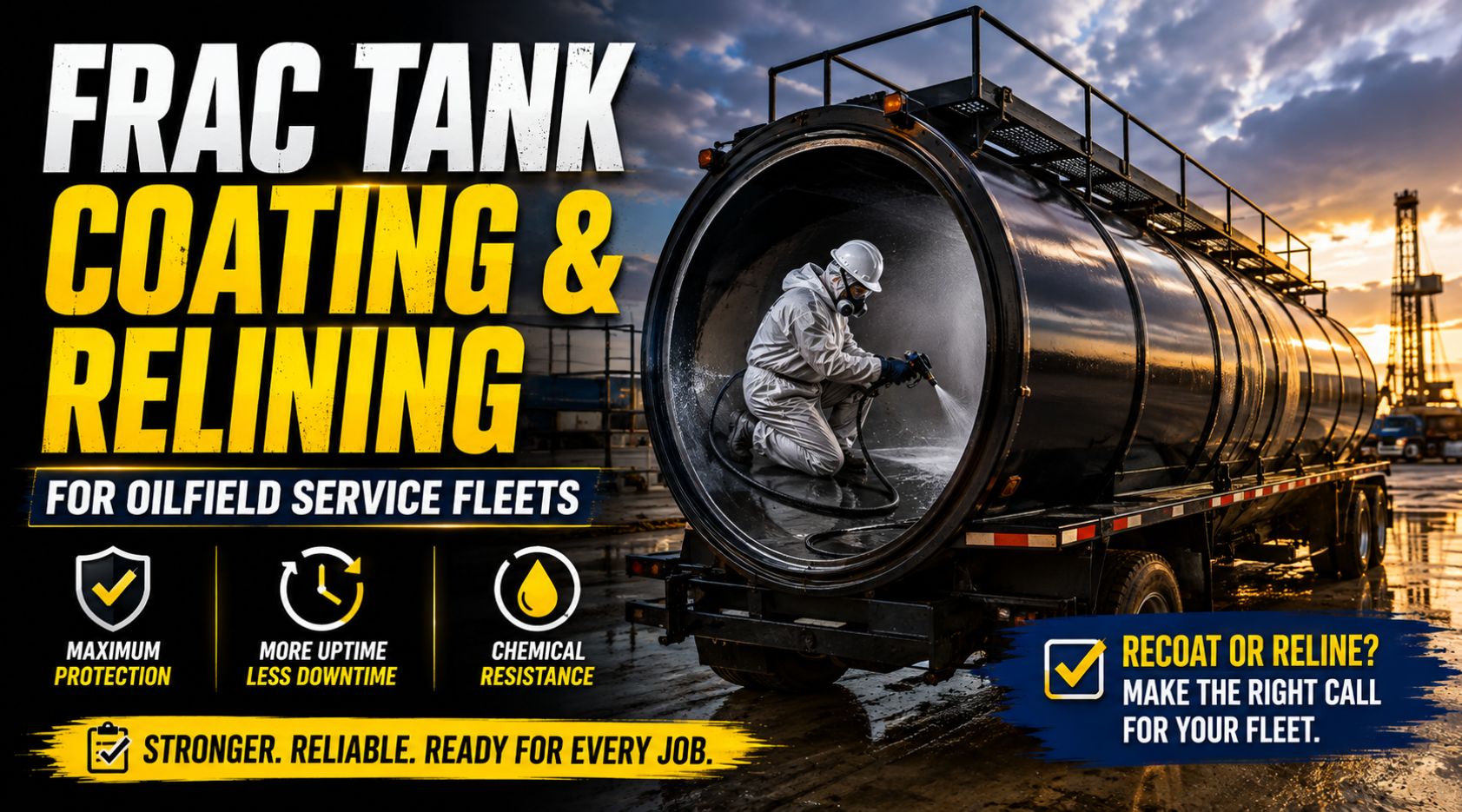
Frac Tank Coating and Relining for Oilfield Service Fleets
A frac tank earns its keep by moving between sites, holding whatever fluid the job requires, and getting back on the road. That work cycle is hard on…
Coating systems
Every major external and internal system used to protect oil & gas pipe.
Compare all systems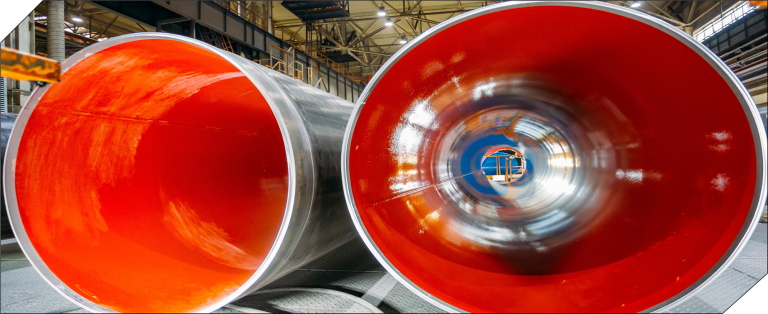 Featured sponsor
ArmorThane polyurea pipeline systems
Visit ArmorThane
Featured sponsor
ArmorThane polyurea pipeline systems
Visit ArmorThane
Technical guides
Field-tested how-tos for engineers, inspectors and coating crews.
All guides & articles Start here
Pipeline Corrosion Prevention: A Complete 2024 Industry Guide
Read the guide
Start here
Pipeline Corrosion Prevention: A Complete 2024 Industry Guide
Read the guide
Industry & resources
News, regulation, events and the groups shaping pipeline integrity.
Latest news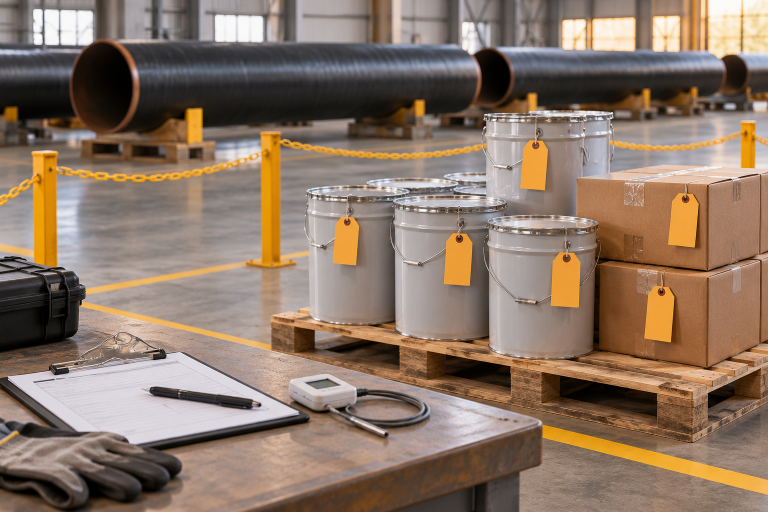 Just published
Pipeline Coating Materials After a Storage Excursion: Hold, Review and Release
Read article
Just published
Pipeline Coating Materials After a Storage Excursion: Hold, Review and Release
Read article
Certified applicators
Find verified pipeline coating contractors — or join the network.
Applicator program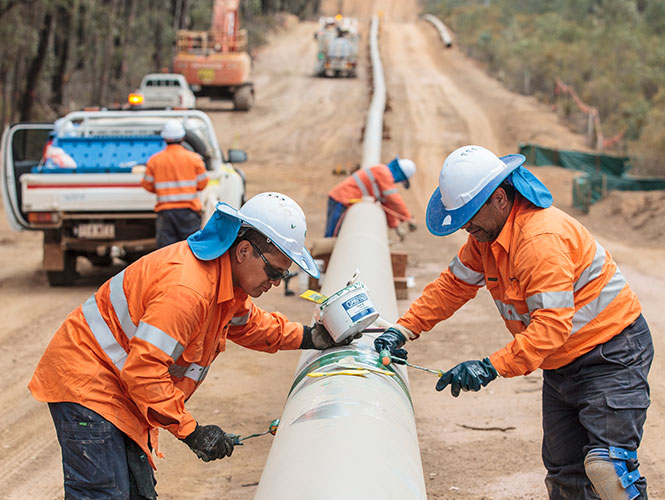 For contractors
Join the certified applicator network
Apply now
For contractors
Join the certified applicator network
Apply now
Library
Technical guides, industry news and coating analysis for engineers, operators and coating contractors.
A frac tank earns its keep by moving between sites, holding whatever fluid the job requires, and getting back on the road. That work cycle is hard on…
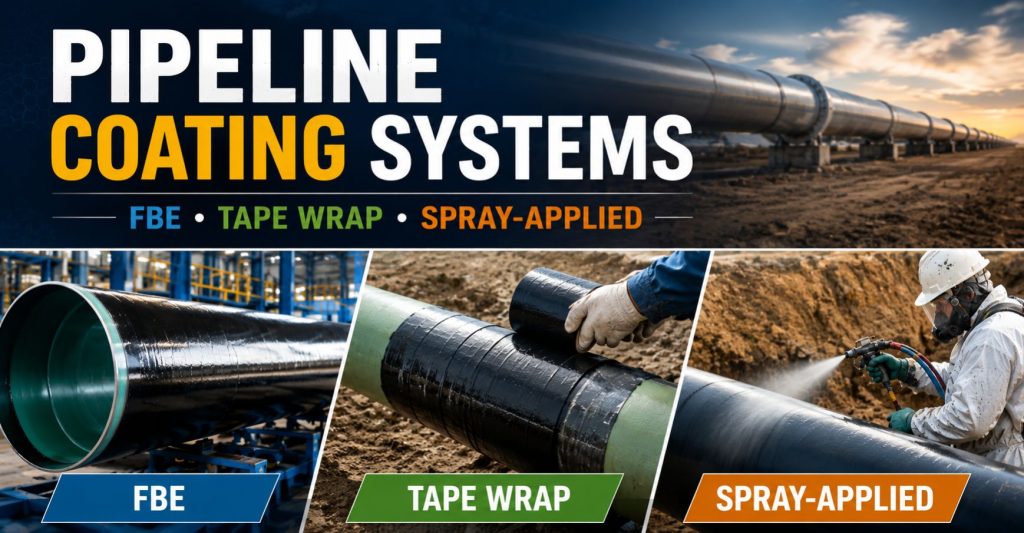
Choosing a pipeline coating system usually comes down to three broad categories: fusion bonded epoxy, tape wrap systems, and spray-applied coatings. Each…
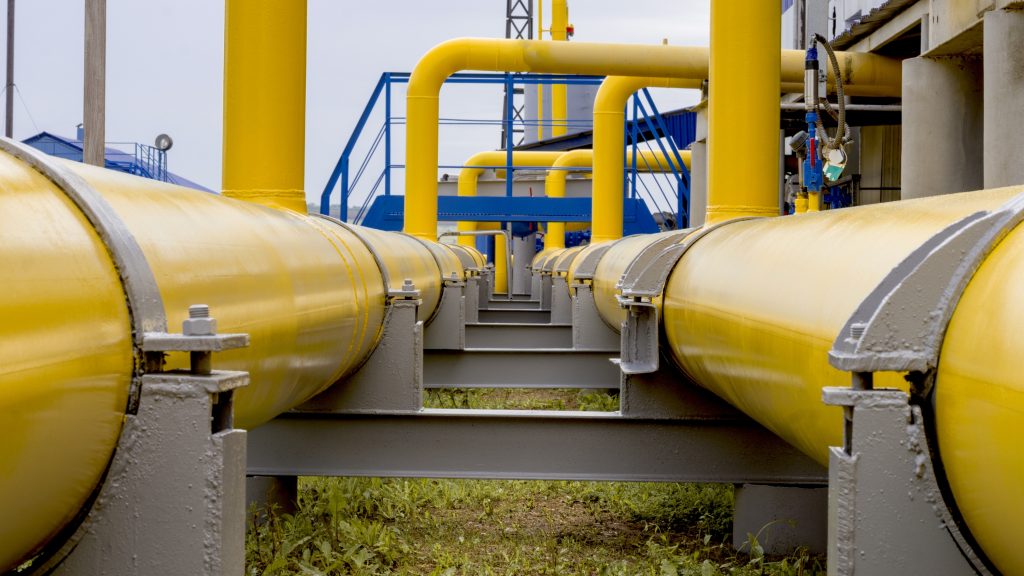
Our survey of 847 pipeline professionals reveals accelerating polyurea adoption, mainstream digital tool use, and a persistent workforce development challenge — key…
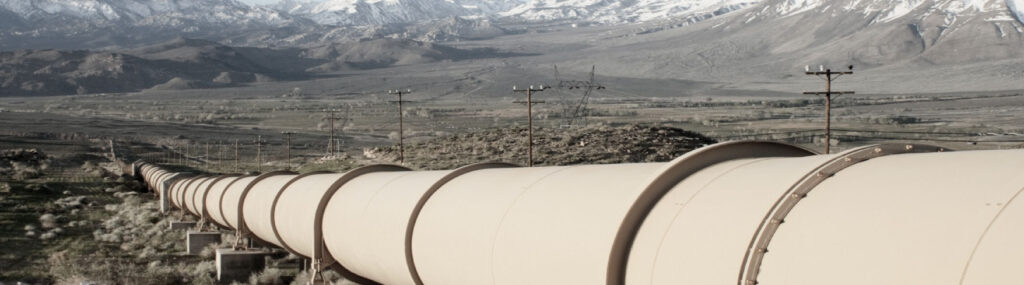
Getting coating thickness right is critical — too thin leaves the pipeline vulnerable, too thick wastes money. This guide covers specification standards,…
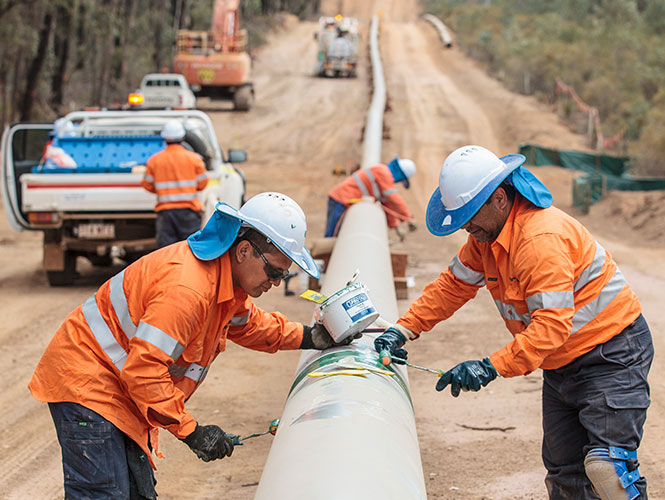
The Fall Technical Conference agenda is set: keynote from Texas A&M, 36 technical presentations, and a live polyurea spray demo. Early bird…
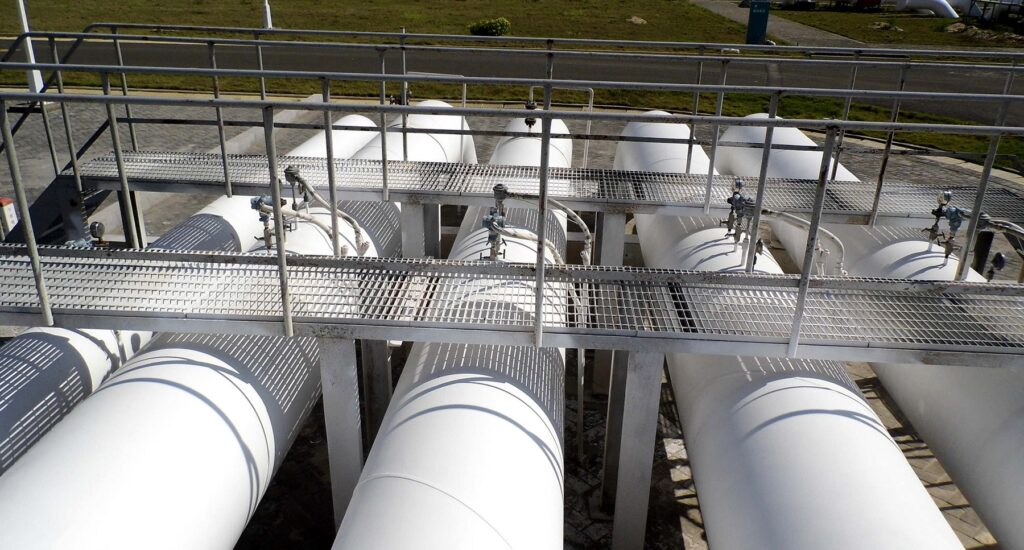
The Permian Basin investment surge is driving massive demand for pipeline coating services — and the region's unique soil conditions and temperature…
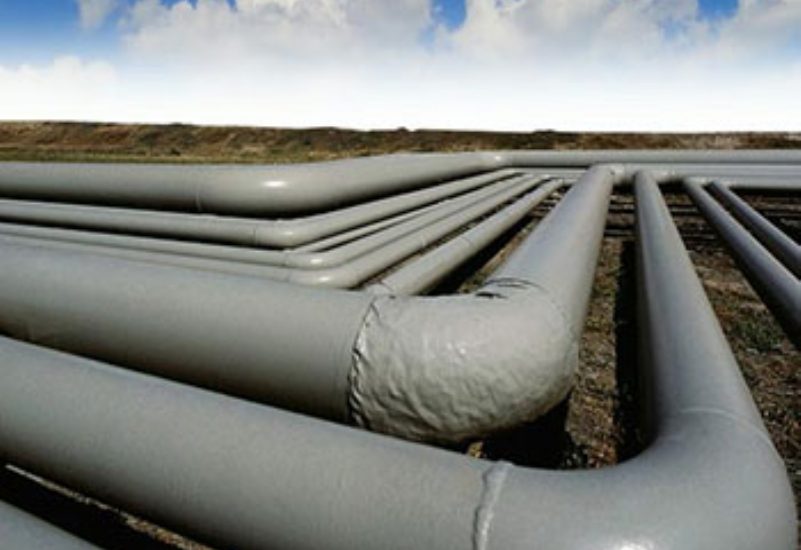
Our Technical Advisory Panel answers the most common questions from professionals new to the pipeline coating industry — covering polyurea vs. polyurethane,…
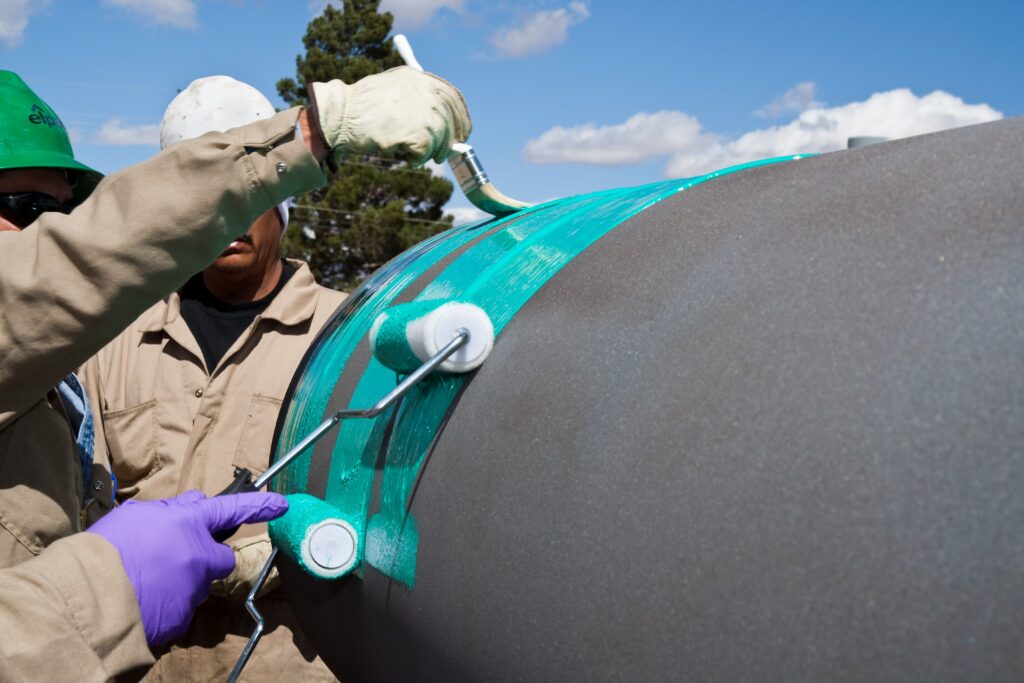
API 5L specifications have direct implications for coating selection and application, particularly for high-strength grades used in modern high-pressure pipelines.
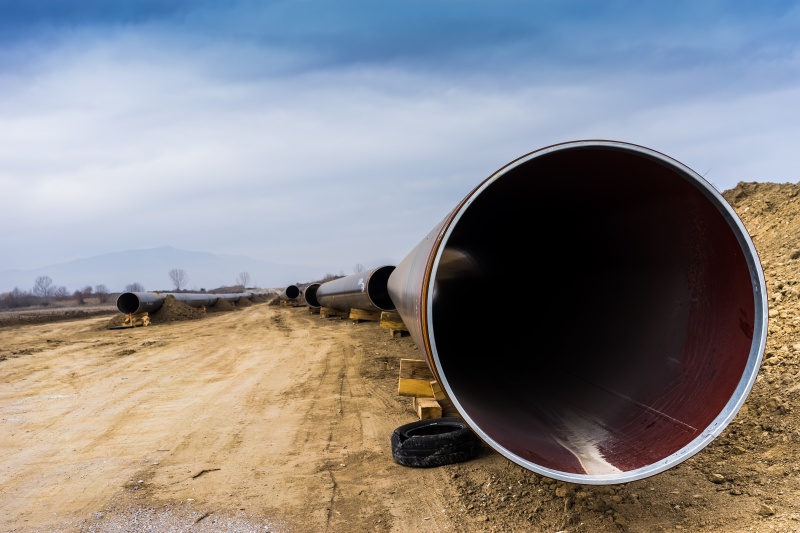
Proper maintenance of plural-component spray equipment is essential for consistent polyurea quality. This guide covers daily procedures, isocyanate care, and preventive maintenance…
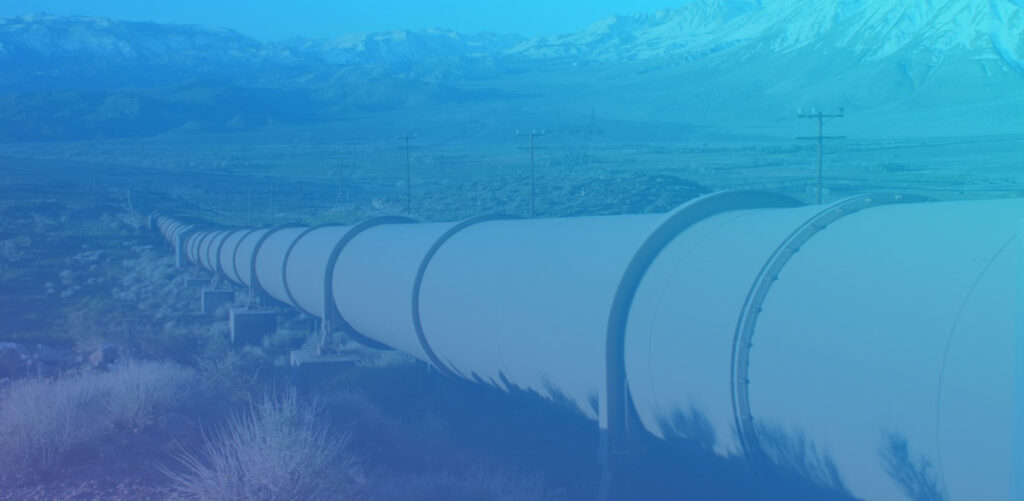
Offshore pipeline coatings must survive the most extreme corrosion environment in the industry. This article covers zone-specific requirements, FBE deepwater applications, and…