Why ArmorThanes Oil Pipeline Coatings are the Best Choice

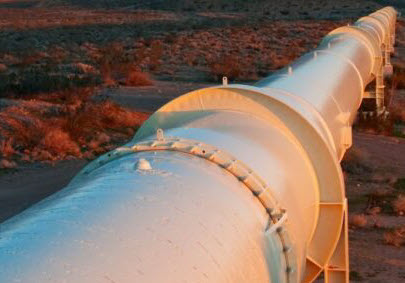
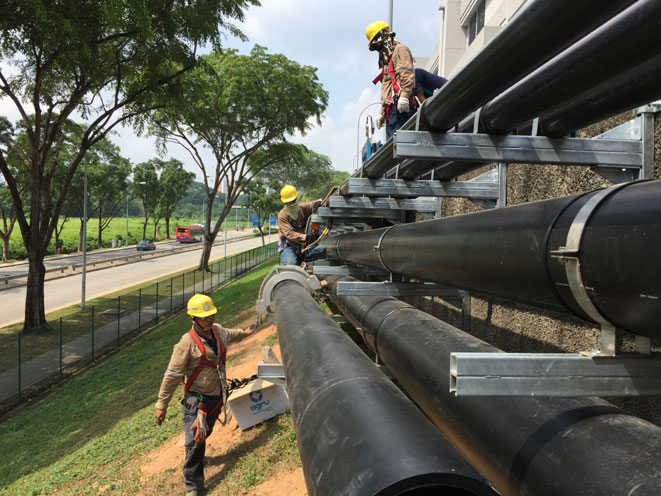
The oil and gas industry is one of the world’s most critical industries, with oil pipeline transport playing a significant role. To prevent leakages along the pipeline network, coatings play a crucial role. ArmorThanes has been a leading name in the industry, providing high-quality coatings that outperform other options in the market. This blog post will explore why ArmorThanes oil pipeline coatings are the best in the market.

  1. Durability
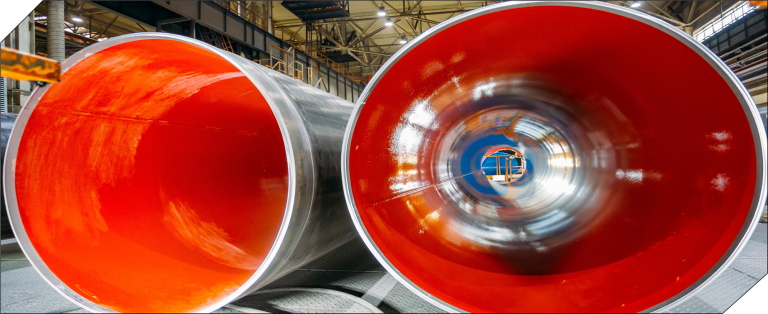
    One of the main advantages of using ArmorThanes coatings on oil pipelines is their durability. They are the most dependable choice for any pipeline transport provider. The coatings are made from advanced technology that withstands extreme weather conditions, heavy impact, and abrasion. In addition, the coatings are moisture and corrosion resistant, making them the best choice for oil and gas pipelines.
  2. Low Maintenance Cost
    The durability and resilience of ArmorThanes oil pipeline coatings reduces maintenance and repair costs. Unlike other coating options, you rarely need to repair or recoat, which translates to significant cost savings. The cost of repairs and maintenance can amount to millions of dollars each year, but with ArmorThanes coatings, these costs are significantly reduced.
  3. Environmental Friendly
    ArmorThanes oil pipeline coatings are environmentally friendly, making them the right option for those who concern about being environmentally mindful. The coatings reduce the risk of oil leakages into the environment by preventing soil exposure. ArmorThanes coatings also protect the pipeline from rust and corrosion, which could lead to environmental disasters, including oil spills.
  4. Easy Application
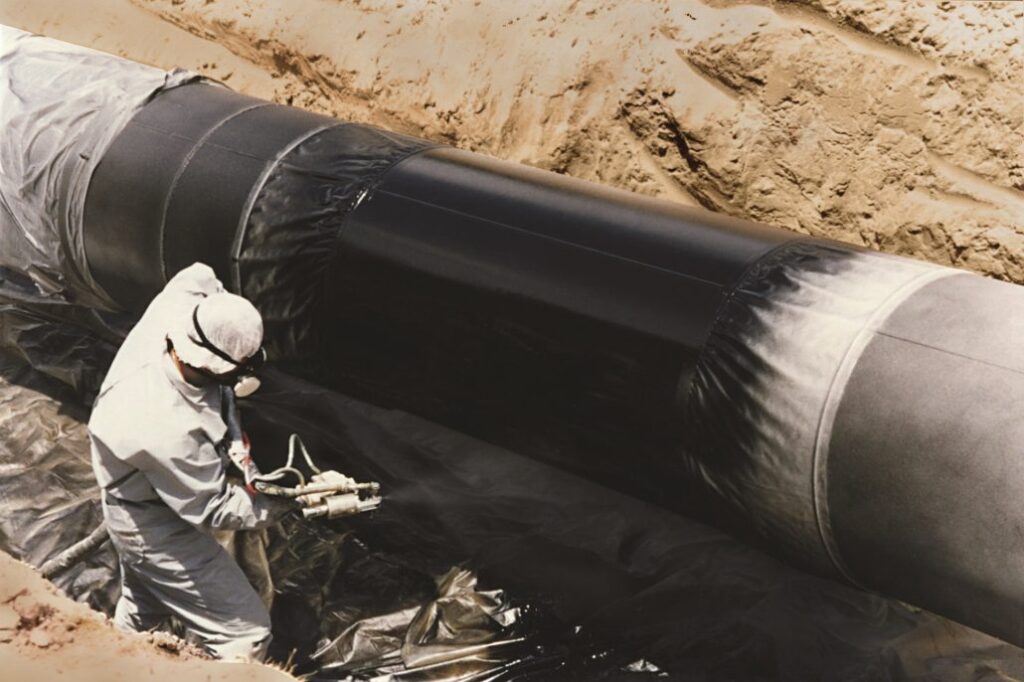
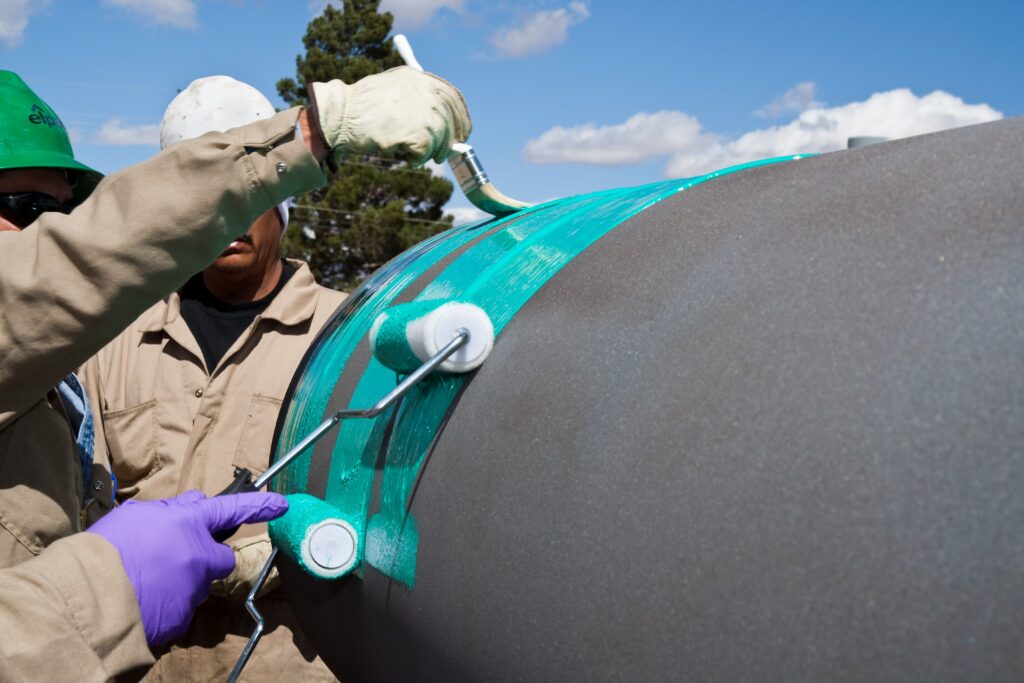
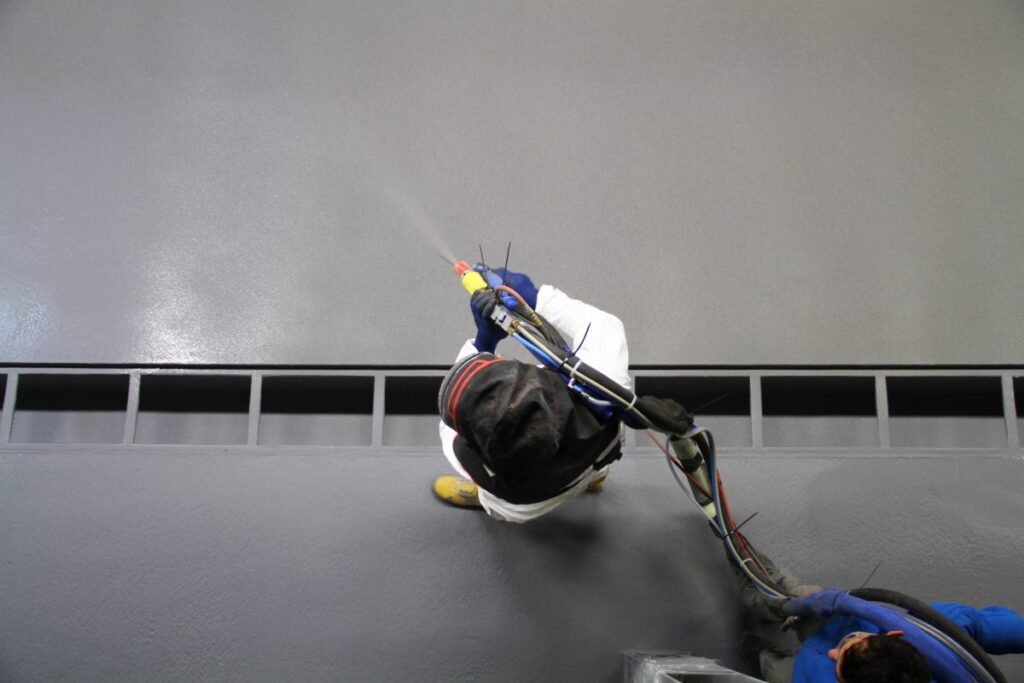
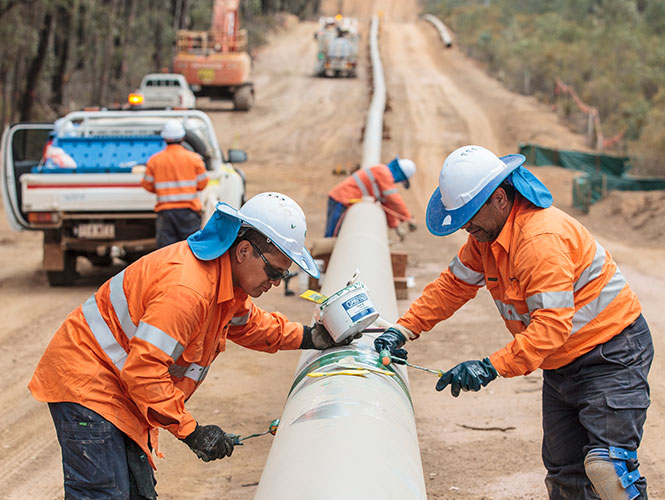
    ArmorThanes oil coatings are easy to apply, ensuring that the project takes a short time to finish. The coatings can be applied using various methods, including brush, spray, or roll. Once applied, the coatings dry quickly, and the pipeline can be used immediately, saving time for the user. This feature makes ArmorThanes coatings the best option for an oil transportation company in need of an efficient and quick solution.
  5. Reliable Technical Support
    The reliability of coatings also depends on a consistent quality output and a reliable technical support team. ArmorThanes’s technical support team is among the best in the industry, providing excellent customer service and support. They provide you the guidance you need, including troubleshooting, answering technical questions, and ensuring that your coating project is delivered successfully.

Overall, ArmorThanes oil pipeline coatings outperform other coating options in the market, making them the best choice for oil and gas pipeline transport providers. They are durable, easy to apply, environmentally friendly, and have low maintenance costs. In addition, ArmorThanes coatings have a reliable technical support team that helps you along the way. For a cost-effective and sustainable solution, ArmorThanes oil pipeline coating is the perfect choice for you.

Read More

6 Things Every Pipeline Operator Must Be Aware of about Polyurea Pipeline Coatings

Polyurea coatings have been used within the pipeline industry for a long time. They have a range of advantages over other types of coatings however, they do have some drawbacks.

If you’re a pipeline owner responsible for the maintenance of pipelines and pipelines, it’s essential to be aware of what you’re dealing with, and what coatings can assist you to protect you and your pipeline infrastructure.

To give you an understanding of polyurea coatings We’ve provided some of the common questions here.

1. What is polyurea coatings composed of?

Polyurea coatings comprise elastomer substances made from step-growth polymerization. This is a procedure that mixes reactive isocyanate materials together with synthetic resin. The process of polymerization gives polyurea its coloration as well as moisture and flame resistance.

2. What is the difference of polyurea, epoxy, and polyurethane?

The easy thing is to make the terms misunderstood. One of the main difference among the two materials are that polyurea is superior in abrasion and temperatures, UV, moisture as well as chemical resistance in comparison with epoxy coatings. It also cures quicker.

In comparison to polyurethane, polyurea exhibits greater chemical and water resistance and endurance.

3. What are the benefits that come with polyurea coatings?

There are many benefits that polyurea pipeline coatings provide over other kinds of coatings. The main advantages are:

  • Resistance to corrosion and abrasion cause damage
  • Flexibility and elasticity
  • It is excellent at bonding to different surfaces such as wood, cement metals, concrete
  • Resistance to UV light, temperature and weathering
  • Quick curing time
  • Can withstand extreme high tensile strength
  • Chemicals, oil as well as salt and resistance
  • Quick cure time dependent on the formulation
  • Controlled finely coating thickness

These properties provide polyurea the ideal material to protect pipelines against corrosion and other harm. It also makes the coating more resistant to environmental influences such as weathering and temperature.

4. What are the drawbacks that come with polyurea coatings?

Although polyurea coatings provide a variety of advantages, they come with some limitations. The main negatives are:

  • When the coating is applied without sufficient wetting time it might not stick to the substrate correctly This can make it difficult to handle.
  • Certain polyurea coatings such as aromatic polyurea is able to react to UV radiation, and alter colors or even chalk up. This can be a problem in applications that require looking appealing. In these instances, it is recommended that aliphatic polyurea coatings must be utilized.
  • The application of polyurea requires skilled specialists.

These constraints should be considered when choosing the right coating that is suitable for your pipeline. Always consult an coating expert to find out whether polyurea is the right option in your application.

5. How do polyurea coatings applied?

Polyurea coatings are applied using the use of high-pressure hot spray as well as cold spray, low-pressure cold spray or warm spray coating as well as other methods. Spray application permits for the coating to be rapidly and uniformly applied onto any surface on the pipeline.

As mentioned previously the application is best done by a qualified expert, which is why it’s crucial to speak with a specialist prior to beginning your project.

6. Where could these coatings be applied?

Polyurea coatings are applied to a range of surfaces such as metallic, concrete, and wood. They are especially suitable for use in industries that have an increased risk for corrosion and damage like:

  • The pipelines as well as irrigation system
  • Healthcare,
  • Material handling,
  • Concrete and concrete,
  • Security and defense.
  • Automotive, and much more.

The team at Oil Pipeline Coatings, our highly skilled staff are educated in all matters of pipeline coatings. We provide the following coatings: rubber, urethane, ArmorFoam, and ArmorLiner protective coatings to protect your offshore structures from corrosion. Contact us now to inquire about a quote!

Read More

HOW IS Stainless Steel Corrosion Resistant?

In 1913, English metallurgist Harry Brearley, working on a project to improve rifle barrels, inadvertently discovered that adding chromium to low carbon steel gives it stain resistant. In addition to iron, carbon, and chromium, modern stainless steel may also contain other elements, such as nickel, niobium, molybdenum, and titanium.

Nickel, molybdenum, niobium, and chromium enhance the corrosion resistance of stainless steel. It is the uniting of a minimum of 12% chromium to the steel that makes it resist rust, or stain ‘less’ than other types of steel. The chromium in the steel links with oxygen in the atmosphere to form a thin, invisible layer of chrome-containing oxide, called the passive film. The sizes of chromium atoms and their oxides are similar, so they pack neatly together on the surface of the metal, forming a stable layer only a few atoms thick. If the metal is cut or scratched and the passive film is disrupted, more oxide will quickly form and recover the exposed surface, protecting it from oxidative corrosion.

Iron, on the other hand, rusts quickly because atomic iron is much smaller than its oxide, so the oxide forms a loose rather than tightly-packed layer and flakes away. The passive film requires oxygen to self-repair, so stainless steels have poor corrosion resistance in low-oxygen and poor circulation environments. In seawater, chlorides from the salt will attack and destroy the passive film more quickly than it can be repaired in a low oxygen environment.

Corrosion resistance is highest when the steel is exposed in a bold manner while the steel’s surface is kept free of any deposits.

Steel is renowned for having steel’s corrosion resistance in a wide range of situations where the low and high alloy alloys for tooling could be corroding. This corrosion resistance is due to the very small (about five millimeters) oxide layer on the surface of the steel. The oxide layer is often referred to as a passivity layer because it renders the steel’s surface electrochemically non-conductive when exposed to corrosive environments.The passive layer develops due to chrome in stainless steel. The stainless steel has to contain a minimum 10.5 percent chromium that the layer of passive develops. The higher the amount of chromium added, the more solid the passive layer will become and the higher its corrosion resistance. (For more information on chromium read the role of chromium for Intergranular Corrosion.) Other elements like molybdenum, manganese, and nickel can be added to increase stainless steel corrosion resistance.

Another condition for the creation as well as maintenance of the layer passive is that the steel surface has to be subjected to oxygen. The corrosion resistance is the greatest when steel is exposed in a bold manner as well as the steel surface kept clean of stones. If the passivity is destroyed in conditions that do not allow repair of passive films it is likely that stainless steel can corrode as low-alloy or carbon steel. For instance that covering a small portion of the surface — for instance, through painting, biofouling or installing a gasket — creates an oxygen-depleted area beneath the area that is covered. The region that is oxygen-depleted will be anodic in comparison to the exposed surface, which could lead to the corrosion of the region that is covered.

Modern kitchen with stainless steel counters

In certain situations, the passive layer may disintegrate at specific locations on the well-exposed stainless steel surfaces. If this occurs it can cause the metal to cause localized corrosion. This is known as pitting corrosion. One of the most frequent causes of pitting corrosion can be due to exposure to water-based environments which contain chloride. Examples include coastal atmospheres and road salt mixed with rainwater or tap water with significant levels of chloride.

When fabricating stainless steel parts or structures It is possible to reduce its corrosion resistance. This happens during the time that the austenitic stainless steels (e.g., 304 grade) are exposed to temperatures that range from 797 °F (425degC) between 1598 degF and 797degF (870degC). If the time for exposure is prolonged, that metallic boundary with the grain is weakened in corrosion resistance and may be more easily damaged in a corrosive environment. The grains break up and the material decreases in strength. The increase in corrosion susceptibility due to the change in microstructure is known as sensibilization.

Read More

WHY POLYUREA IS CRUCIAL TO THE OIL AND GAS INDUSTRY

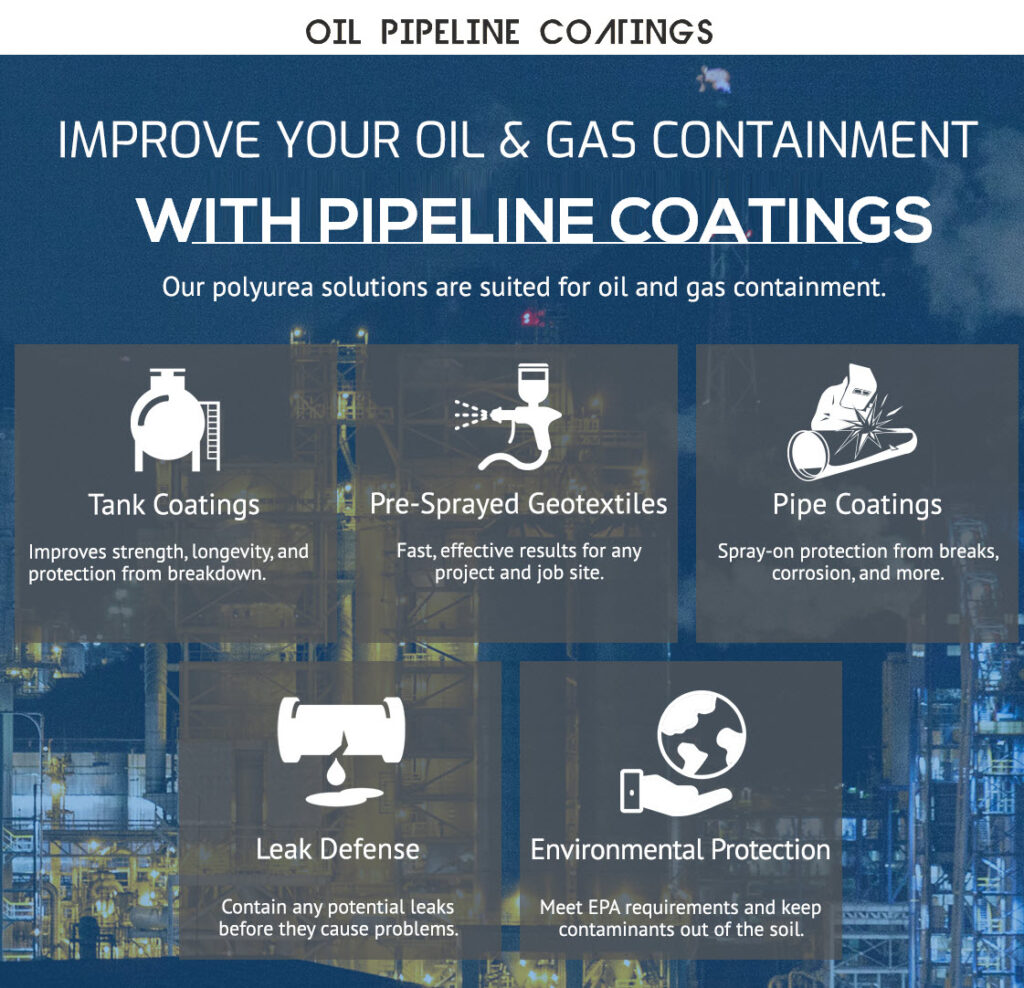
Polyurea is a remarkably strong spray coating that is utilized in a variety of applications in a variety of industries. There are many advantages of making use of polyurea in the field of oil and gas. It effectively shields storage tanks for gas and oil pipelines, containers, and tanks from abrasion, weather, and chemical corrosion, and also extends the life span of these pipelines and tanks.

While other coatings for protection such as polyurethane and epoxies are employed, polyurea is a newer and much more durable waterproofing and protection system.

Here are some ways polyurea coatings can be utilized for oil and gas production.

Protection against Harsh weather conditions

Polyurea is applied in a liquid spray and it dries in just a few minutes, forming a durable membrane. After the surface has completely dried, it can be used immediately and endure extreme weather conditions such as snow and ice, as well as rain as well as prolonged exposure to U.V. radiation from the sun. This is what makes polyurea the perfect protective coating for all surfaces that are exposed to sunlight.

Refurbish Pipeline Tanks and Rollers

With time, continual use and exposure to extreme chemicals can gradually strip away protective coatings that protect your tanks. If properly maintained, polyurea coatings can extend the life of tanks more than other coatings that have been utilized previously. Polyurea coatings are able in order to refurbish pipeline rollers as well as the interior tank linings to prolong their lifespan and avoid corrosion.

Increase the durability and Safety Standards

With strong physical as well as elastomeric properties, polyurea can be used to construct secondary and primary containment liner for storage tanks, which will stop chemicals from spilling out. The enhanced safety features shield workers working in the oil and gas industry from the risk of exposure and explosions caused by chemical interactions. They also shield the surrounding environment from pollution.

Polyurea membranes stand up against extreme temperature and are employed for both indoor and outdoor industrial applications like helicopter pads, walkways floor tiles for workshops, lining tanks and more.

Top Coat Oil and Gas Pipes

If you are working on an oil or gas pipeline Some of the most significant risk factors are corrosion as well as corrosion, chemical leaks, and abrasion. Polyurea coatings are applied as an additional layer of protection on pipelines and tank linings in order to ensure that safety standards are met and safeguard workers from injury and damage.

Tank Coating

On drilling rigs for oil or gas storage tanks are regularly exposed to potentially hazardous chemicals as well as weather conditions. Covering the inside containers with a long-lasting polyurea coating will help regulate the temperature inside, stop the buildup of pressure that can cause explosions, and also seal any holes or damages that could cause harmful chemical leaks.

ArmorThane is among the most prominent suppliers of premium polyurea products that provide excellent protection coating products for use in the gas and oil industries. Contact them today to find out how they can help you!

Read More